
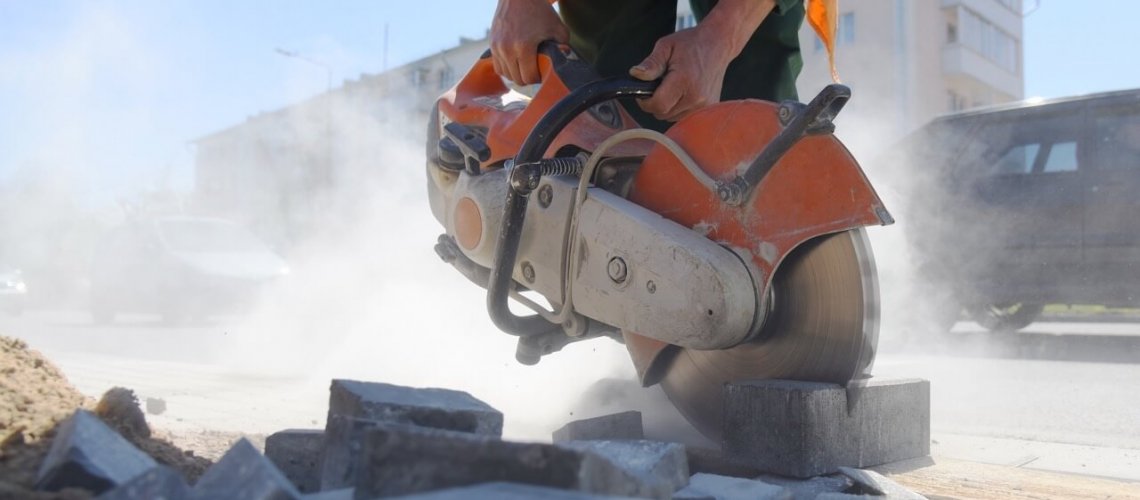

Understanding What is Silica Dust
Silica, or silicon dioxide, is a naturally occurring element commonly found in the earth’s crust. When finely divided, it becomes silica dust—a tiny crystalline particle that poses serious health risks when inhaled. Silica dust is a common byproduct in industries such as construction, mining, quarrying, and manufacturing where materials like sand, stone, concrete, and brick are handled.
Despite its ubiquity, silica dust remains a largely ignored hazard, often overshadowed by more visible industrial risks. Yet, its invisibility makes it even more dangerous. Silica dust particles are so small that they can be easily inhaled and penetrate deep into the lungs, leading to various health problems.
The properties of silica dust further complicate matters. Its crystalline nature means it can stay suspended in the air for extended periods, increasing the likelihood of inhalation. Also, the dust doesn’t dissolve easily in the lungs, leading to long-term health implications for exposed workers.
Introduction to Silica Dust Exposure
Silica dust exposure occurs when workers breathe in small crystalline silica particles. This commonly happens during the drilling, cutting, crushing, or grinding of materials containing silica. Construction workers, miners, quarry workers, and those involved in certain manufacturing processes are at particular risk.
While silica dust exposure can sometimes be visible, as in a cloud of dust during construction or demolition work, it often goes unnoticed. The dust particles are so tiny that they can remain suspended in the air, and their inhalation may not cause immediate discomfort or visible symptoms. This stealthy nature of silica dust exposure makes it a silent and insidious occupational hazard.
The seriousness of silica dust exposure should not be underestimated. Even short-term exposure can lead to serious health complications. Therefore, understanding and managing silica dust exposure is crucial in high-risk industries.
Health Risks and Dangers of Silica Dust Exposure
Long-term silica dust exposure can lead to silicosis, a debilitating and often fatal lung disease. Silicosis occurs when inhaled silica dust particles cause inflammation and scarring in the lungs, reducing their ability to take in oxygen. Symptoms can include chronic cough, shortness of breath, and extreme fatigue.
Besides silicosis, other potential health risks associated with silica dust exposure include lung cancer, chronic obstructive pulmonary disease (COPD), and kidney disease. Furthermore, the International Agency for Research on Cancer (IARC) classifies respirable crystalline silica as a known human carcinogen.
The dangers of silica dust exposure extend beyond individual health effects. It can also have significant implications for businesses, including increased healthcare costs, lost productivity due to sick leave, potential lawsuits, and reputational damage.
Silica Dust Exposure Limits: What You Need to Know
To mitigate the risks associated with silica dust exposure, specific exposure limits have been established. These limits, designed to protect workers’ health, specify the maximum amount of silica dust that workers can be exposed to during a work shift.
In the United States, the Occupational Safety and Health Administration (OSHA) sets the permissible exposure limit for respirable crystalline silica at 50 micrograms per cubic meter of air, averaged over an 8-hour shift. This limit is based on the best available evidence regarding the health risks of silica dust exposure.
However, it’s important to remember that these are regulatory limits, not safety guarantees. Even at levels below these limits, workers can still experience adverse health effects from silica dust exposure. Therefore, the goal should always be to minimize exposure as much as possible.
What Is the Permissible Exposure Limit for Respirable Crystalline Silica?
The permissible exposure limit (PEL) for respirable crystalline silica, as set by OSHA, is a legal limit in the United States. California OSHA or Cal/OSHA has set the same limit for California. It represents the maximum amount of silica dust to which workers can legally be exposed during an 8-hour work period.
The PEL is calculated as an average over an 8-hour work shift. This means that brief periods of higher exposure may be permitted, provided they are offset by periods of lower exposure. However, companies should strive to keep silica dust exposure levels as far below the PEL as possible to ensure worker safety.
It’s worth noting that some organizations, like the National Institute for Occupational Safety and Health (NIOSH), recommend even lower exposure limits, reflecting the growing consensus that even minimal silica dust exposure can pose significant health risks.
Silica Exposure Monitoring: Why It’s Necessary
Silica exposure monitoring, also known as an industrial hygiene survey, is an essential part of a comprehensive approach to managing silica dust exposure. Regular monitoring can help identify exposure risks, evaluate the effectiveness of control measures, and ensure regulatory compliance.
Monitoring involves measuring the amount of respirable crystalline silica in the air in workplaces where silica dust is present. This is typically done using air sampling devices that collect dust samples, which are then analyzed in a laboratory. Employers often use Certified Industrial Hygienists (CIH) to perform the monitoring and prepare reports to include observations, findings, analytical results, and recommendations.
However, silica exposure monitoring should not be a standalone activity. It should be part of a broader risk management strategy that includes hazard identification, risk assessment, implementation of control measures, and worker training.
How to Conduct Silica Dust Exposure Testing
Silica dust exposure testing typically involves two steps: air sampling and laboratory analysis. During air sampling, a small device known as a sampling pump and specific air filter media is used to collect dust particles from the air. The sampling pump is usually attached to the worker’s clothing in the breathing zone to measure the amount of silica dust the worker is likely inhaling.
Once the sampling period is over, the dust sample is sent to a laboratory for analysis. The lab determines the concentration of respirable crystalline silica in the sample, providing a quantitative measure of silica dust exposure.
While this process may seem straightforward, it requires specialized knowledge and equipment. Therefore, it’s often carried out by industrial hygienists or other trained professionals. For more details about industrial hygiene, refer to our article What is Industrial Hygiene.
Industry Standards and Regulations for Silica Exposure
To protect workers from the risks of silica dust exposure, various industry standards and regulations have been established. In the US, OSHA’s silica standard for construction, for example, requires employers to limit worker exposure to respirable crystalline silica and to take other steps to protect workers.
These steps may include implementing engineering controls such as water or ventilation systems to reduce dust, providing respiratory protection when necessary, restricting worker access to high-exposure areas, developing a written exposure control plan, and offering medical exams to highly exposed workers.
Compliance with these standards is essential for maintaining a safe and healthy workplace. A comprehensive industrial hygiene survey is a critical step to verify if existing controls are adequate or if additional measures are needed.
Strategies for Preventing and Controlling Silica Dust Exposure
Effective prevention and control of silica dust exposure requires a multifaceted approach. Engineering controls like dust suppression (using water to prevent dust from becoming airborne) and dust extraction (using ventilation systems) are the primary methods to reduce exposure.
If engineering controls are insufficient, administrative controls such as rotating workers to limit their exposure time and the use of personal protective equipment (PPE) like respirators may be necessary. Monitoring plays a key role in determining the adequacy of these measures.
Worker education is also critical. It is essential that workers understand the risks associated with silica dust exposure, know how to protect themselves, and are aware of procedures to follow if overexposure is suspected.
Conclusion: Navigating through the Cloud Safely
Silica dust exposure is a significant occupational hazard with severe long-term health implications. However, with a comprehensive understanding of the risks, adherence to regulatory limits, regular monitoring, and the implementation of effective control strategies, it is possible to manage and mitigate these risks.
Protecting workers from silica dust is not just about regulatory compliance; it’s about ensuring a safe, healthy, and productive work environment.
EHS Analytical Solutions, Inc. provides professional safety consulting services with Certified Industrial Hygienists and Certified Safety Professionals. We assist with exposure monitoring for silica, developing safety programs, providing safety training, and other industrial hygiene and safety-related tasks.
Contact Us
If you require assistance with managing silica dust exposure, please contact us today. You can also email adam@ehsanalytical.com or call 619-288-3094.
Additional information regarding our industrial hygiene consulting services can be found here.